
Optimised discoverability
of Account & Billing features to increase customer satisfaction
Senior product designer Saas fintech | 1-to-N experimentation Q2 2025 In Q2 2025, I led the experimentation on discoverability of features within Account & Billing to increase customer satisfaction.
Impact

Increased usability by increased CVR to features by 12%

Increased customer satisfaction score by 4%

Positively reduced time users spend in Account & Billing by 10%
details available during interview only
Opportunity
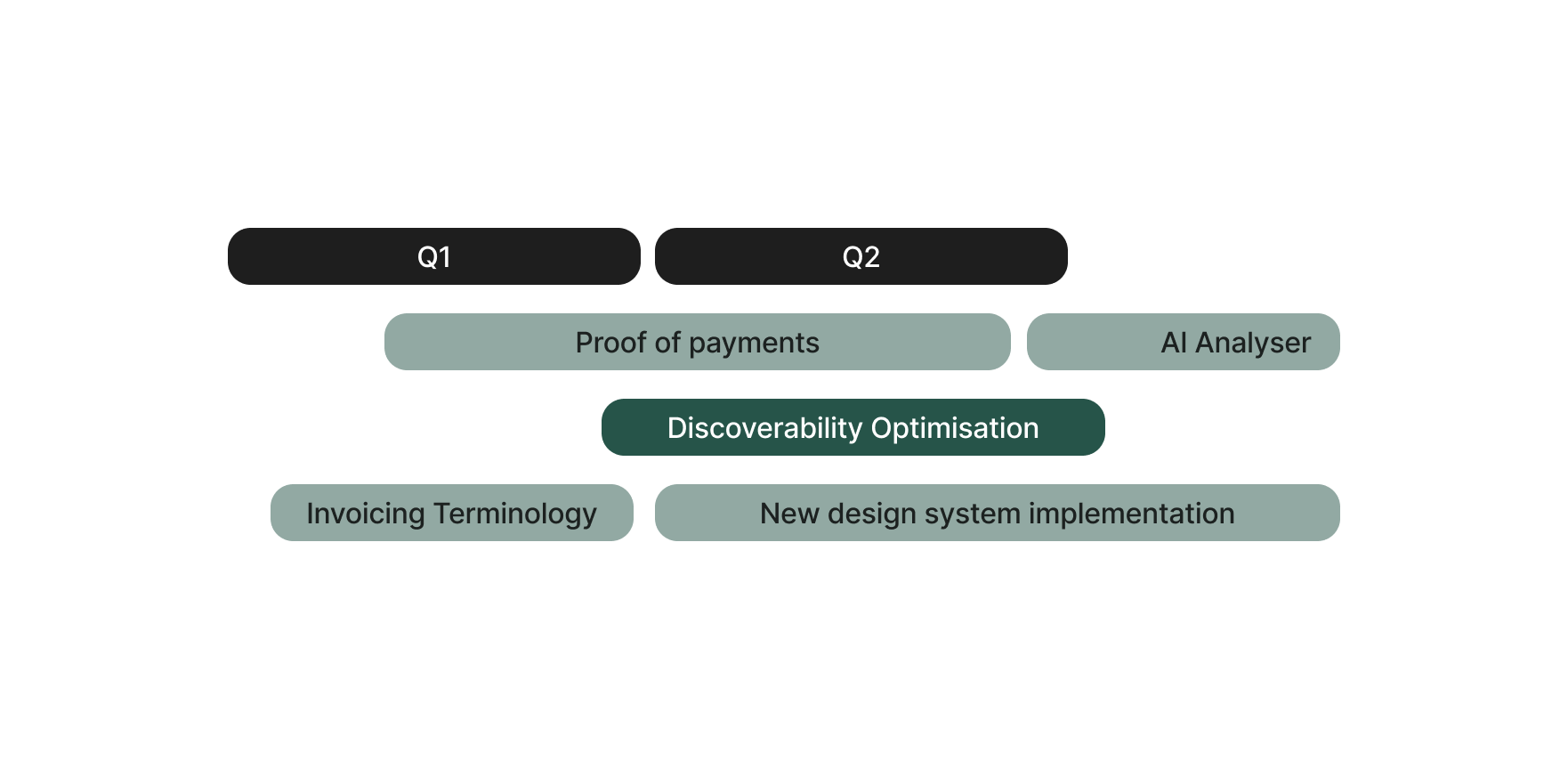
Alongside HubSpot business goals and connected strategic projects, such as integrated documents analyser, my Account & Billing team in Fintech had an objective to increase customer satisfaction (CSAT) for billing experience in 2025. Together with a Senior Product Manager and Technical Leads, I prioritised an opportunity to iteratively increase usability rate that affects the objective. I identified initiative to experiment with interactions, hierarchy, and dynamic content on the landing page that gets 11,300 users per day.
Process
-
From 2024 continuous interviews with customers, I knew that there are number of improvements the 11,300 daily users, who land on Account & Billing, would benefit from. The customer satisfaction survey comments brought in light confusion and different needs for the personas. To manage key strategic deliveries in 2025 and still deliver on customer satisfaction, I proposed number of possible quick wins that can run concurrently and be proved effective. I got a small team of Data Analyst and 2 Software Engineers to run the optimisation.
-
I facilitated rapid ideation workshops with Data Analyst, Senior Front-end Software Engineer, Back-end Engineer and a Senior Product Manager. Together, we affinity mapped and prioritised the best ideas. I worked on the final designs, experiment docs with metrics and tracking points.
-
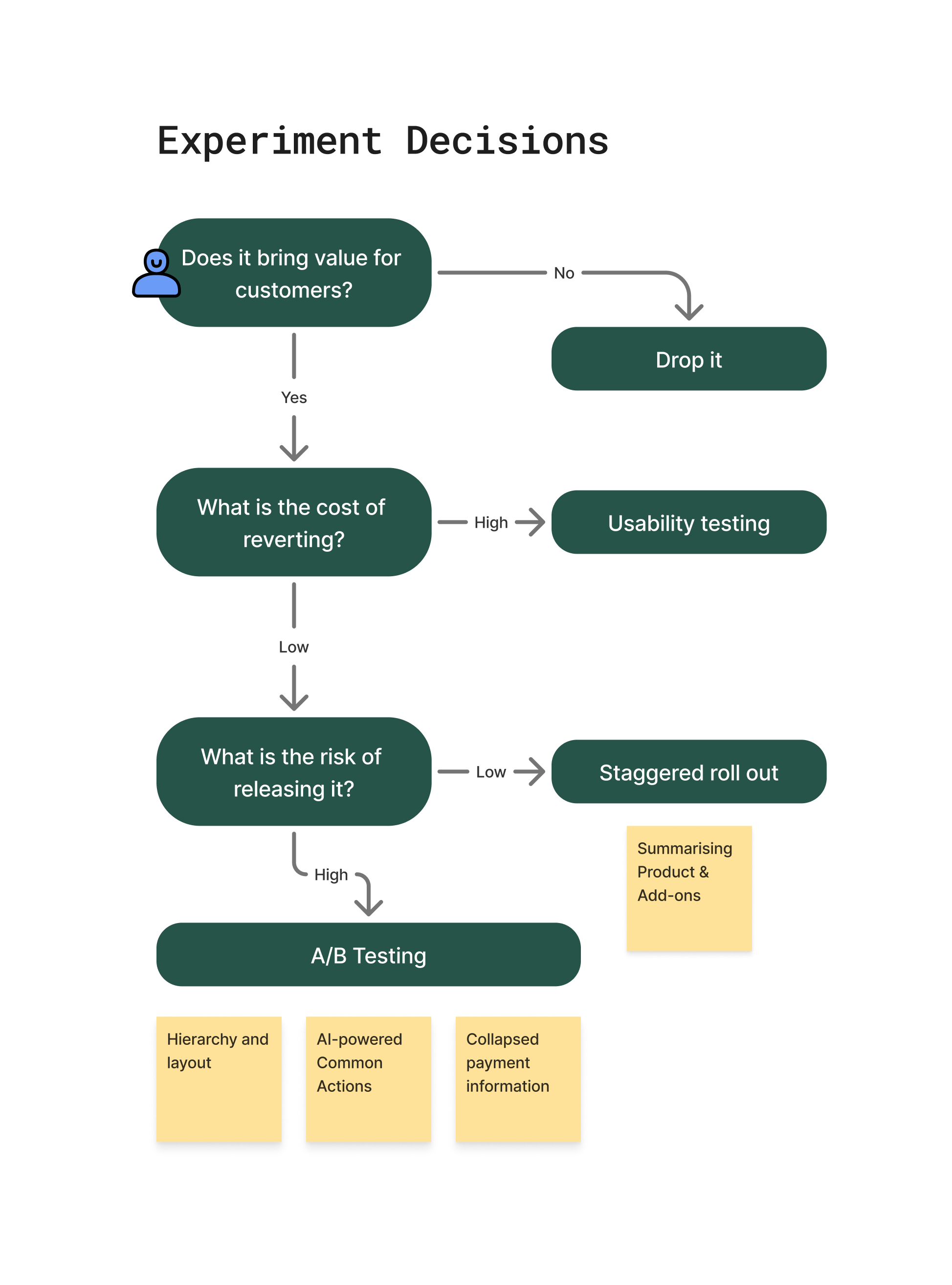
Throughout, I organised weekly check-ins on progress, results, and balancing work with other initiatives. I decided to only productise statistically significant improvements, and to release one iteration as a staggered monitored roll out, because of low risk. From the experiments that didn’t deliver on hypothesis, I moved on with valuable insights and more future opportunities.
A/B Experiments
-
![Variant 1]()
1/4 Hierarchy and layout variant
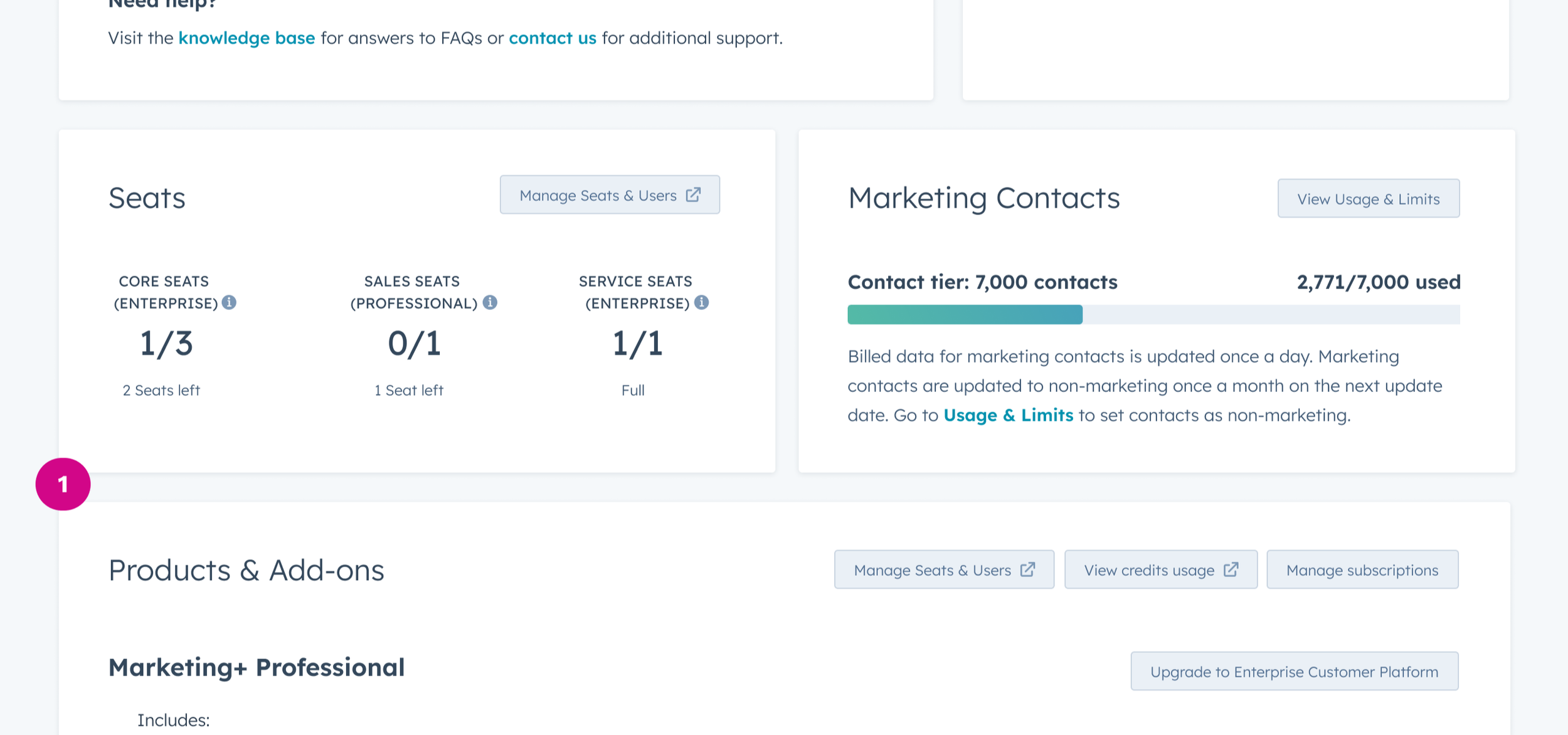
I hypothesised that customers find Seats and Marketing Contacts usage on Overview more important than Products & Add-ons.
-
![Variant 2]()
2/4 AI-powered common actions variant
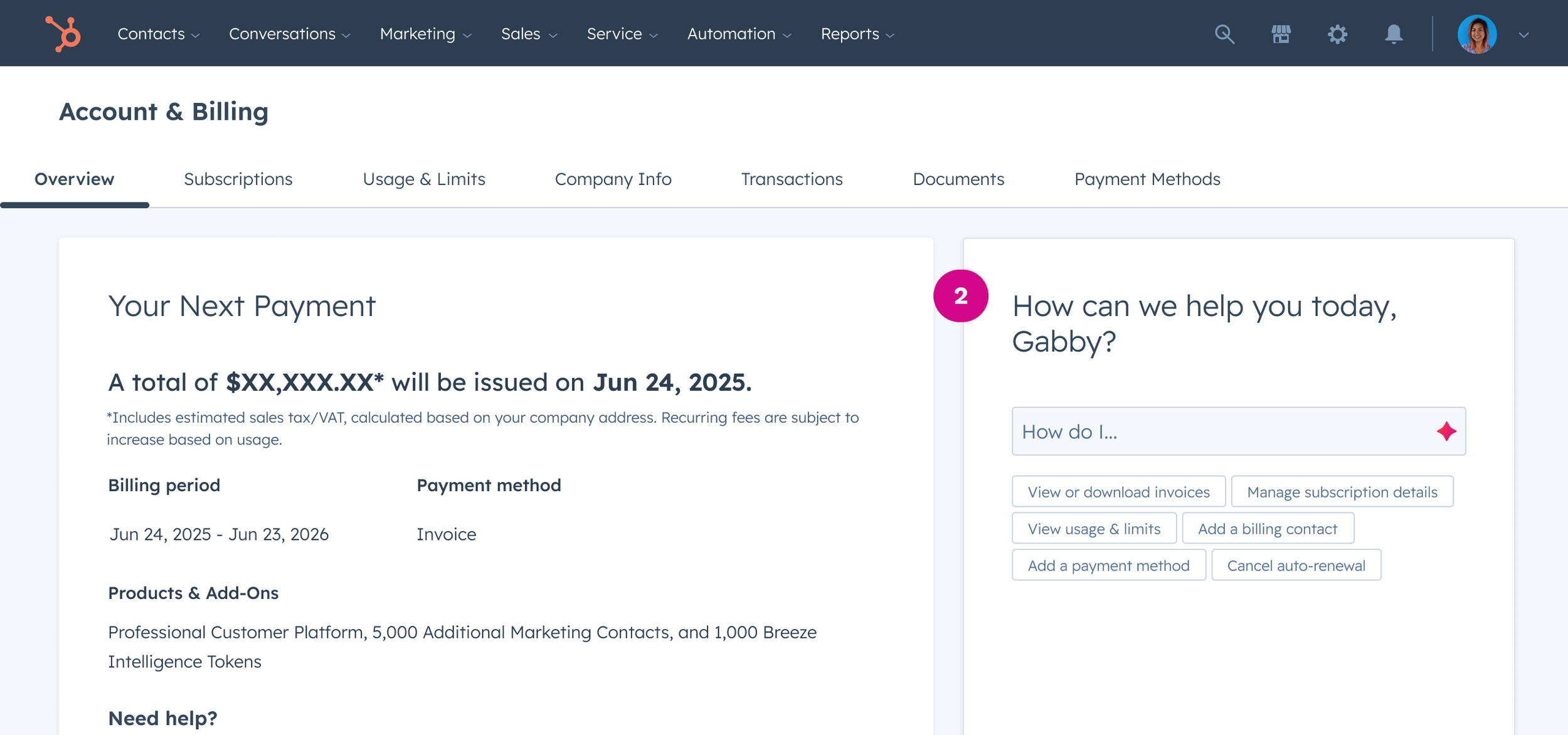
I hypothesised that customers will find features easier with input and AI assistant help
-
![Variant 3]()
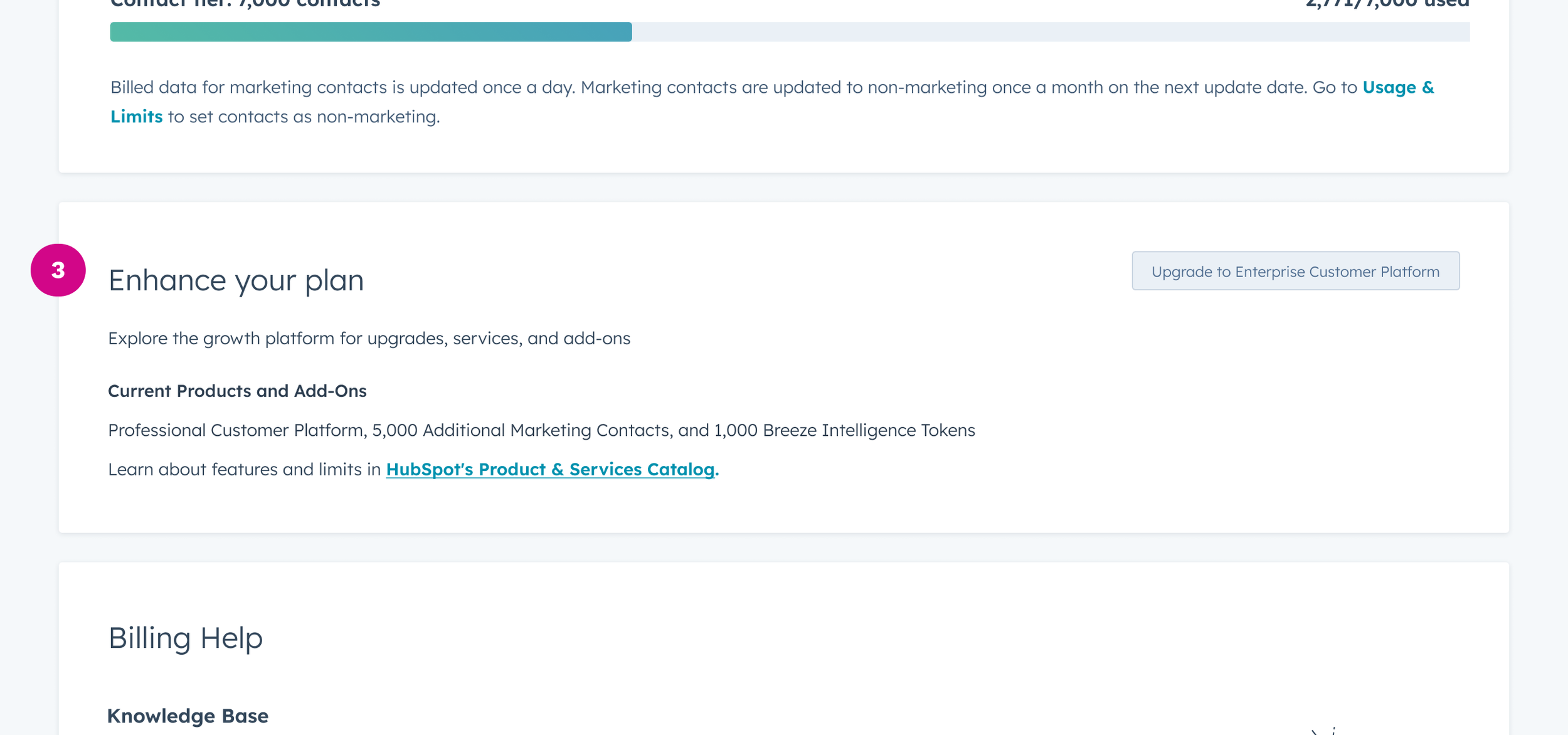
3/4 Summarising Product and add-ons variant
I hypothesised that customer find the subscription information repetitive and not helpful for discoverability or comprehension.
-
![Variant 4]()
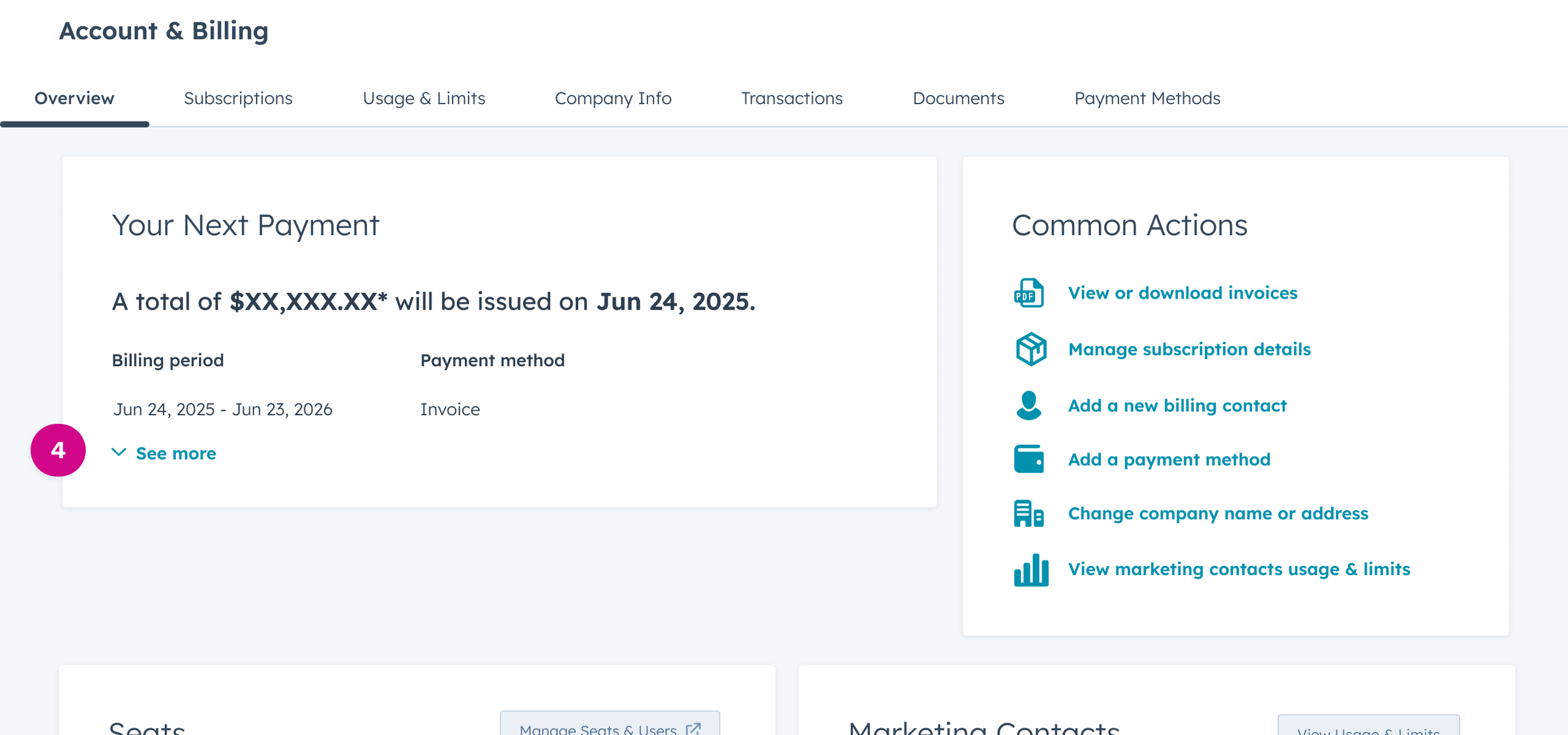
4/4 Collapsed payment information variant
I hypothesised that customers don’t find the payment information useful through out their annual subscription
Solution
Initial control

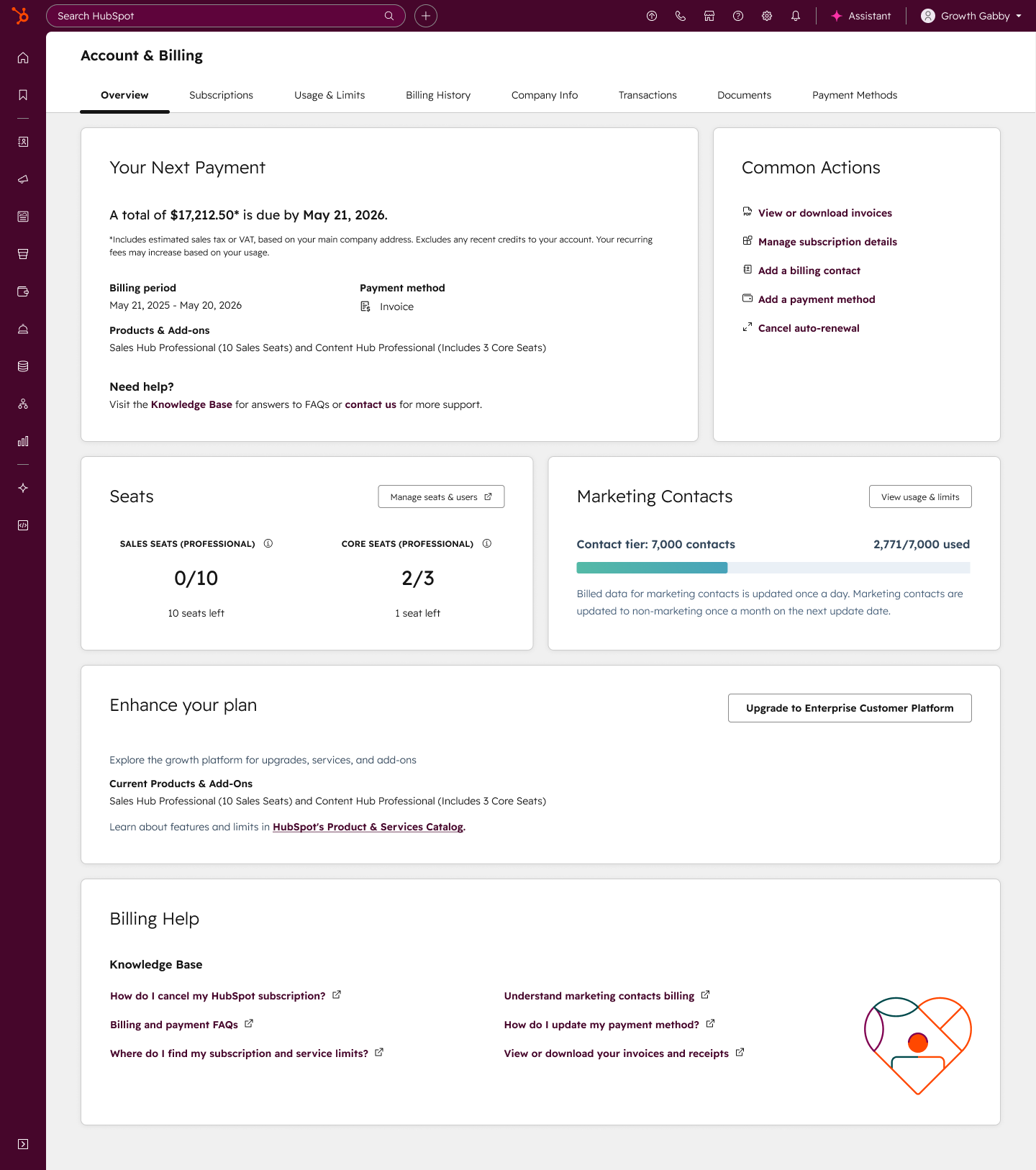
After experiments
Better conversions with unique CTAs
Improved hierarchy with more flexible card design
Allowed smoother new design system implementation
Less redundant content
Knowledge gained

Suggesting AI assistant didn’t improve discoverability

Improved risk assessment between experiments and releases

Qualitative feedback concerning discoverability
Alongside the evolution initiatives and revolutionary features, such as integrated documents analyser, there is always need for more efficient design and releases through managing Design Operations processes. Follow along my process in Design System for People’s Postcode Lottery.